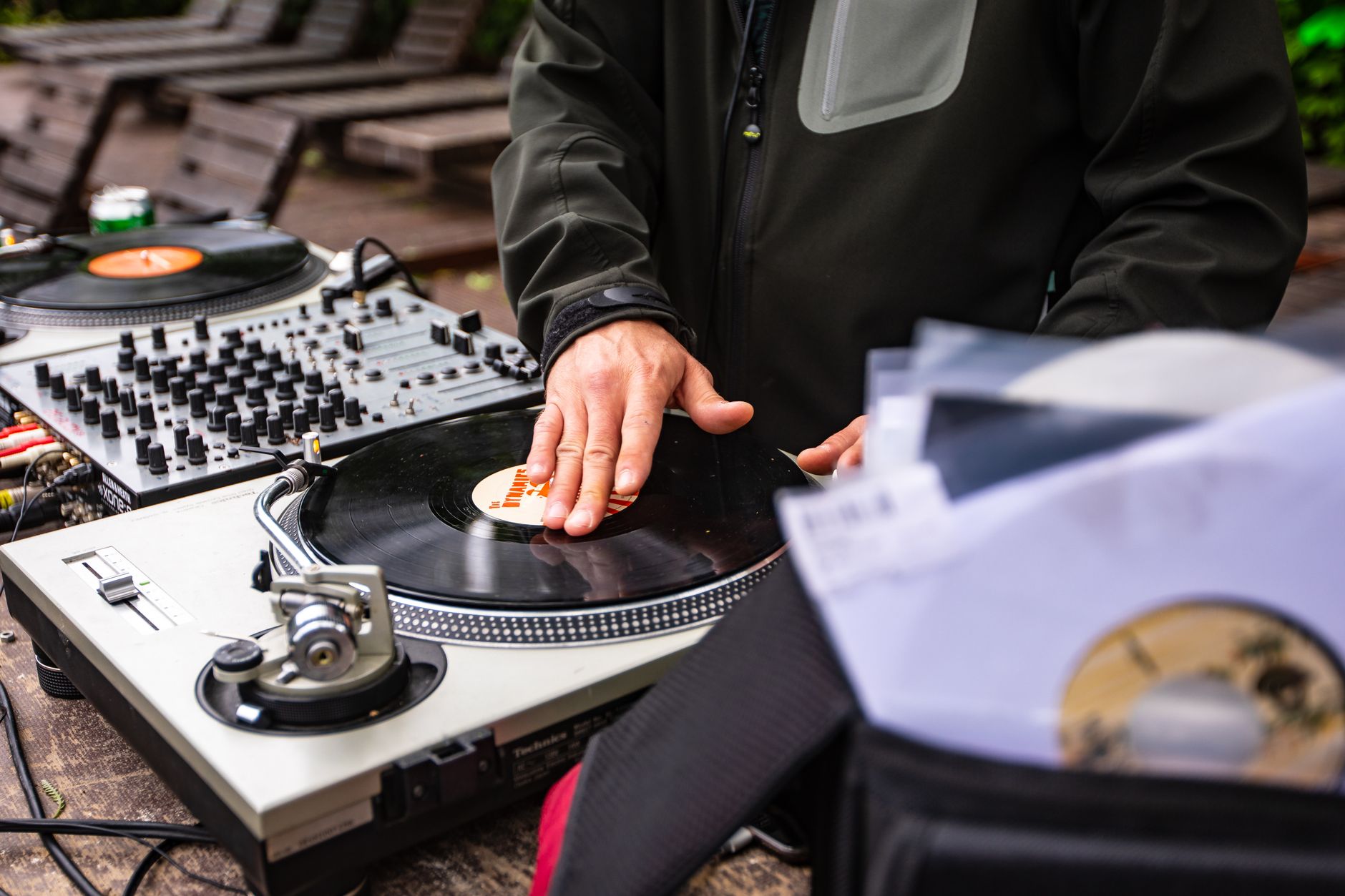
Why Live Music Feels Dangerous Again
After years of algorithmic polish, the best gigs now trade perfection for pulse, risk and the kind of chaos that proves someone is actually alive onstage.
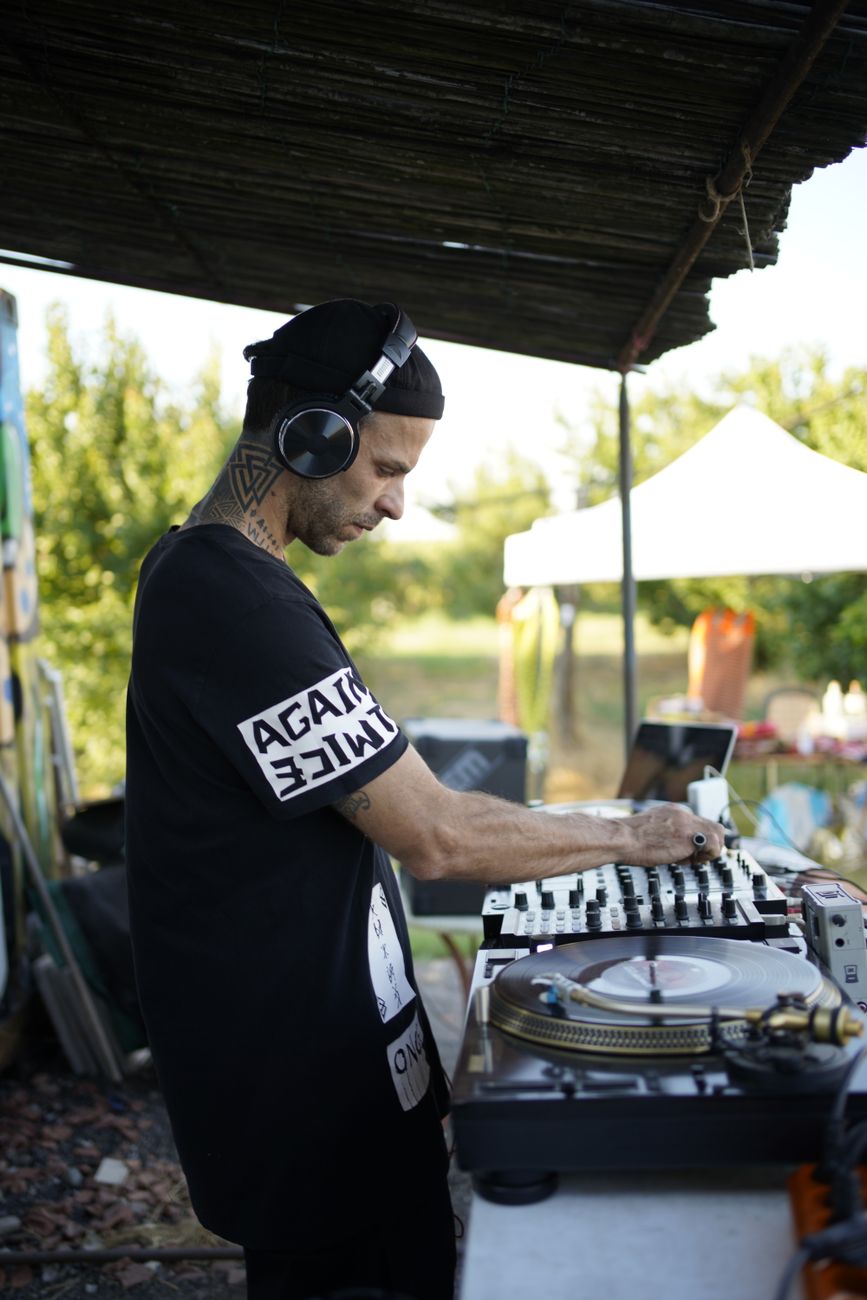
That’s why the most vital corners of live music now feel less like content factories and more like controlled burn sites. Smaller venues are suddenly cultural gold because they still allow heat, sweat and the possibility of derailment. Even major acts are learning that a polished spectacle without danger lands like premium wallpaper: expensive, competent, instantly forgotten. Real presence has become a status symbol. The point of view, then, is simple enough to argue over a pint: when music gets too perfect, it stops behaving like music and starts behaving like packaging. The future belongs to artists brave enough to sound a little less safe — and crowds wise enough to know that the crack in the surface is where the electricity gets in.