The Night the Room Chose Sides
In an age of playlists and precision, live music still works best when it risks a little chaos.
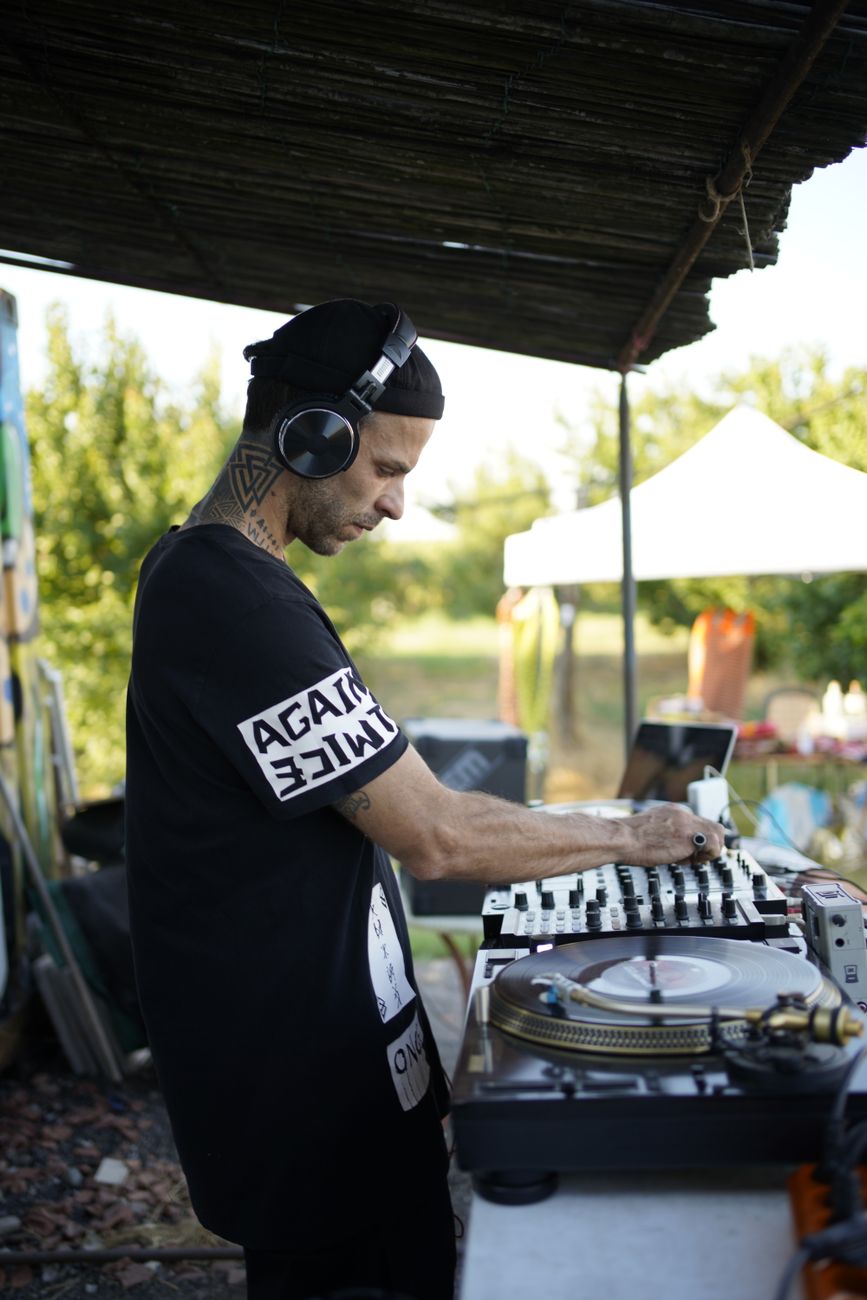
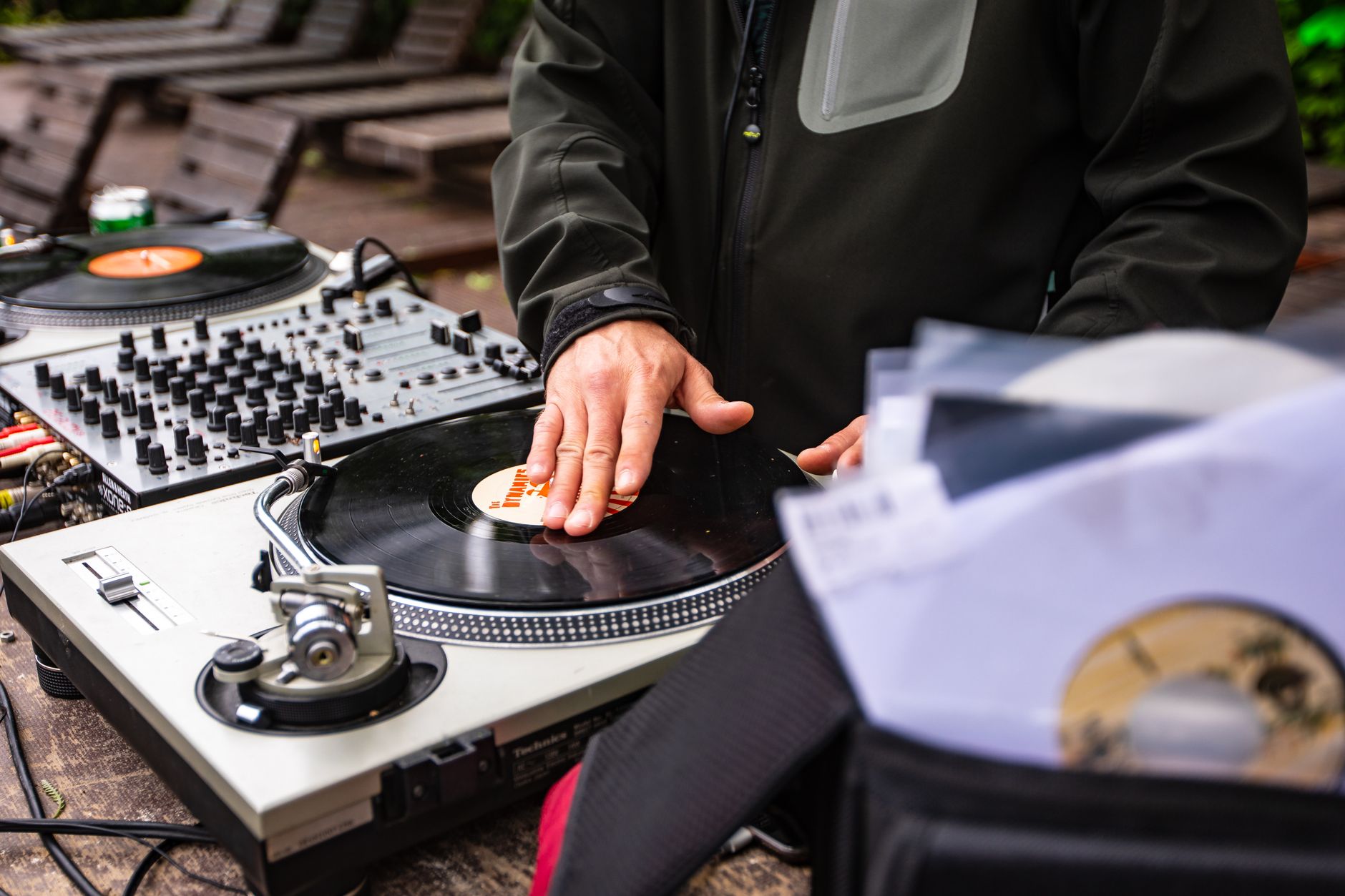
The lights went down late, properly late, the kind of late that makes a crowd either mutinous or religious. At the back, pint glasses sweated onto sticky wood; near the barrier, lads who had sworn all week they were too old for this suddenly stood like teenagers awaiting revelation. Then the band walked on without fanfare, counted in, and hit the first chord hard enough to rearrange the room. You could feel the old social order collapse in real time: the cool observers dragged forward, the talkers silenced, the phone screens lowered in shame. For three minutes, everyone belonged to the same noise.
The streaming era promised infinite choice and delivered a peculiar kind of musical politeness. Everything is available, nothing is scarce, and too much of what reaches us has been sanded into algorithmic good behaviour. Songs arrive pre-approved for background use: gym-safe, dinner-safe, commute-safe, emotionally waterproof. But great music has never been about safety. It is about friction, risk, and the delicious possibility of failure. A live room exposes that truth better than any pair of luxury headphones ever could. When a singer misses the clean note and finds a better dirty one, when a drummer pushes the tempo because the floor demands it, you are not consuming content; you are witnessing character.
The best gigs still feel slightly dangerous
The point of music is not perfection; it's the moment a song stops being theirs and becomes yours.
That is why the best nights are rarely the neatest. The setlist goes off-script. The encore arrives because the room earned it, not because the lighting cue said so. A new track lands awkwardly, then reveals its teeth on the second chorus. The band and audience enter the oldest masculine bargain worth keeping: I’ll give you everything if you stop pretending not to care. In that exchange there is release, but also instruction. Music reminds men, especially modern men trained to curate every mood, that the strongest version of yourself is not the most controlled one. It is the one willing to be moved in public.
So here is the pub-worthy view: the future of music will not be won by cleaner audio, smarter recommendations, or another app that claims to know your soul from six skips and a saved track. It will be won wherever sweat beats convenience, wherever a room full of strangers decides, for one blistering hour, to mean the same thing at the same time. Live music is not a nostalgic luxury; it is a corrective. It rescues songs from the cloud and returns them to the body, where they can do some actual damage. And in a culture obsessed with seamless experiences, that rough edge is not a flaw. It is the whole bloody point.