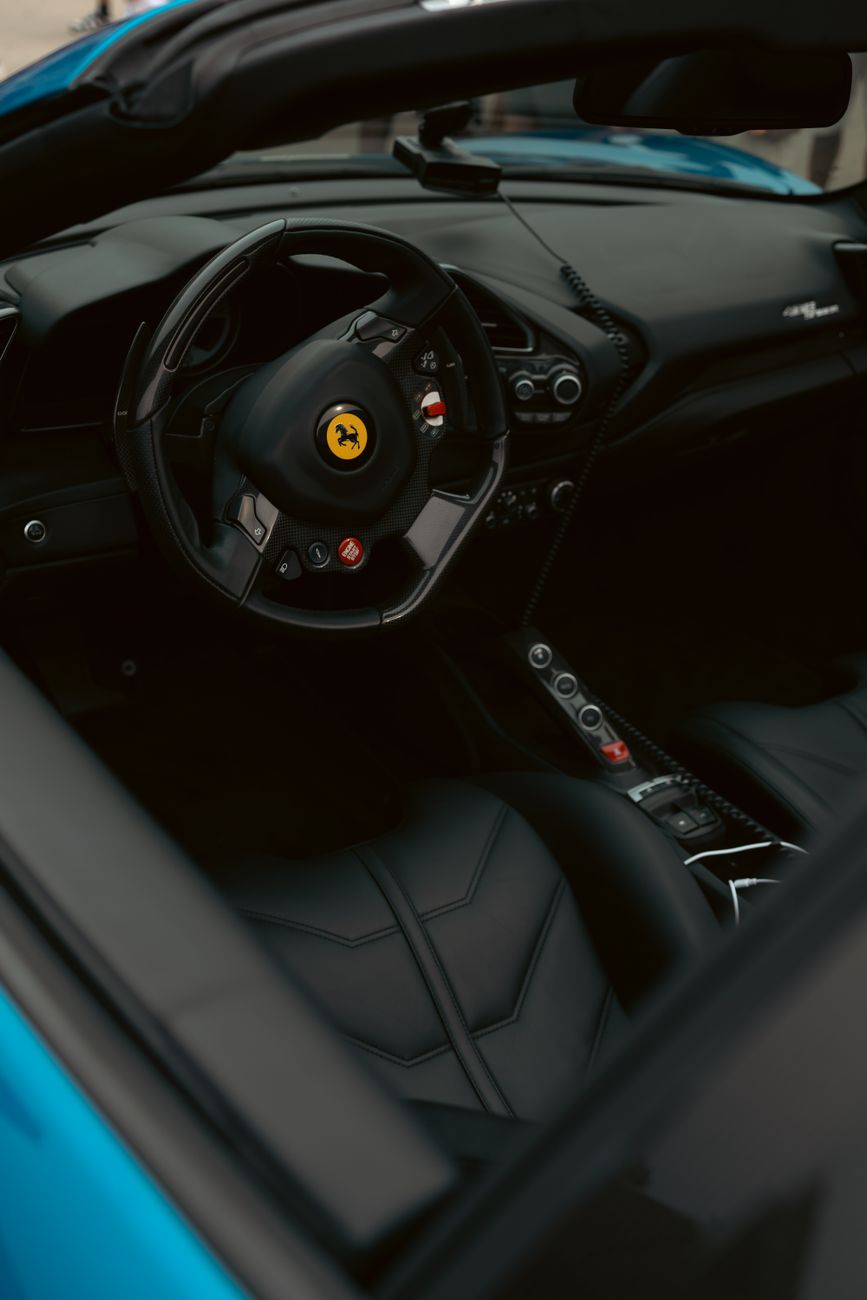
Bring Back the Glorious Long Way Home
The best drive of the week is rarely the fastest one, and every worthwhile man should know why.

Rain had just finished polishing the ring road when the traffic lights turned everything cinematic: red on wet tarmac, amber on bonnets, green reflected in puddles like a promise nobody quite believed. Inside the cabin, the sat-nav offered the usual bloodless command — fastest route available — and that was the moment to ignore it. A proper drive begins when efficiency loses the argument. Not because lateness is noble, but because modern life has become a machine for shaving off edges: shorter calls, quicker meals, cleaner inboxes, flatter conversations. The car remains one of the last places where a man can choose depth over speed and not have to apologise for it.
The shortest route is often the poorest story
We have mistaken convenience for intelligence. The quickest road is usually the loudest, brightest, most forgettable strip of civilisation available: retail parks, average coffee, brake lights stretching to the horizon like an exhausted thought. But the long way home still knows things. It knows the B-road that slips past the reservoir, the village high street with the butcher's sign hanging crooked, the rise in the lane where the sunset suddenly appears like a stage reveal. Driving well is not merely operating machinery; it's curating your own state of mind. Men used to understand this instinctively. A detour was not a failure of planning. It was evidence of appetite.
A man who never takes the long way home is probably letting other people write too much of his life.
Of course, this is not an argument for childish speeding or turning every commute into a fantasy of Le Mans. It is an argument for attention. For windows cracked open on a cold evening. For knowing which road settles you after a bad meeting and which one sharpens you before a difficult conversation. The car at its best is not escape, but calibration. It returns a man to himself. In an age that tracks every step, predicts every purchase and optimises every idle second, choosing the scenic route becomes a small act of style — and style, at heart, is disciplined refusal. The long way home says there are still experiences that should not be trimmed for convenience, because their value lies precisely in the time they take.